





How to Add Prep Space to a Small Kitchen Without Remodeling
How to Create More Prep Space in a Small Kitchen Without Remodeling
Even a well-equipped small kitchen can feel short on workspace when appliances, storage containers, and everyday items occupy most of the counter. You may have everything you need to cook and still find yourself looking for a clear place to chop vegetables or set down a mixing bowl.
While buying another piece of furniture might seem like the obvious answer, it is worth looking at how your small kitchen counter space is actually being used first. Appliances, drying racks, containers, and everyday clutter can take over valuable work surface without you realizing how much prep space they consume.
In many cases, creating more room simply means reorganizing appliances, relocating storage, or clearing items that do not need to stay on the counter. If you still do not have enough surface area after reclaiming the space you already have, a flexible work surface can provide extra prep room without the need to remodel your kitchen.
Table of Contents
- Start by Finding Out Where Your Prep Space Is Going
- Reclaim the Counter Space You Already Have
- Give Everything Else a Place to Live
- Add a Flexible Work Surface When Reclaiming Space Is Not Enough
- Make Sure the New Prep Surface Does Not Create a New Space Problem
- Turn the Extra Surface Into a Functional Prep Zone
- Match the Solution to Your Kitchen's Actual Constraint
- Put Your New Prep Space to the Test
Start by Finding Out Where Your Prep Space Is Going
The first step in creating more prep space in the kitchen is to understand how you are using the counter you already have. You may think you need a bigger counter, but the real issue may be that the available surface is being used for everything except food preparation.
Pay attention the next time you prepare a meal. Ask yourself: Where do you actually chop vegetables, mix ingredients, or set things down while you cook? Is there a clear stretch of counter, or do you have to move the toaster and a few containers before you can even get started?
Measure Your Usable Prep Surface, Not Your Entire Counter
The total amount of countertop you have on paper is not necessarily the amount you can use for meal prep. A long counter may look spacious until you account for the coffee maker, air fryer, knife block, dish rack, and everything else that has made it a permanent home.
Instead of imagining an empty countertop, look at the kitchen while it is being used normally. Account for the surface that is actually available while you cook. You may find that only a small part of the overall counter remains open for preparation while the rest is occupied by appliances and everyday items.
Regardless of the counter size, usable area is what matters. If you can clear even part of the existing counter, you may not need another piece of furniture at all.
Track What Regularly Takes Over the Counter
Some items stay on the kitchen counter permanently, while others appear only for a short time but still take up the space you need for meal prep and cooking.
For a day or two, notice what tends to pile up or stay out. It could be the toaster you use every morning, a fruit bowl, food containers waiting to be put away, a drying rack full of dishes, or an appliance that only gets used once a week.
Even unrelated items, such as unread mail or other household clutter, can slowly eat into your prep surface. When you notice this, ask a simple question: Does this really need to live here?
If most of these items can be put away or stored elsewhere, you may not have a true shortage of prep space. You may simply need to make better use of the surface you already have.
Reclaim the Counter Space You Already Have
Once you have identified what is taking up the counter space in your small kitchen, see how much of it you can get back. A few targeted changes can reduce or even eliminate the need for new furniture or remodeling.
Give Frequently Used Appliances a Permanent Home
Several kitchen appliances often end up living on the counter. The coffee maker stays out, and before long the rice cooker or stand mixer joins it. Individually, they may not take up much room, but together they can leave very little space for actual food preparation.
If you are not sure which appliances need to stay on the main counter, use a simple rule: if an appliance does not need to be plugged in or used there every day, consider giving it another permanent home.
A baker's rack, pantry shelf, appliance shelf, or sideboard can keep some of these items accessible without letting them take over your main prep area. Even moving one bulky appliance can free up useful workspace.
Remove Things That Only Need Temporary Counter Access
It is easy to focus on bulky appliances and overlook the everyday items that temporarily consume the counter. Grocery bags waiting to be unpacked, food packaging, containers left out after dinner, and dishes piling up around or beyond the drying rack can quickly turn an available surface into a crowded one.
Clearing these items before you start cooking can immediately free up usable counter space. Appliances that are not used frequently can also be put away instead of occupying valuable surface area between uses.
Create One Deliberately Clear Prep Area
You do not need every inch of the kitchen counter to be empty. The goal is to have one reliable stretch of clear surface where you can chop vegetables, mix ingredients, and place a cutting board or bowl without moving several other items first.
Once that area becomes your dedicated prep spot, it is much easier to tell whether you truly need additional workspace.
Give Everything Else a Place to Live
Once you have cleared the counter, give frequently displaced items a designated home so they do not take over your prep space again.
For items that still need to stay accessible, consider whether they could be stored elsewhere without making them difficult to reach.
Baker's Rack
A baker's rack can keep appliances such as an air fryer, toaster, or blender accessible without occupying the main counter.
Pantry Cabinet
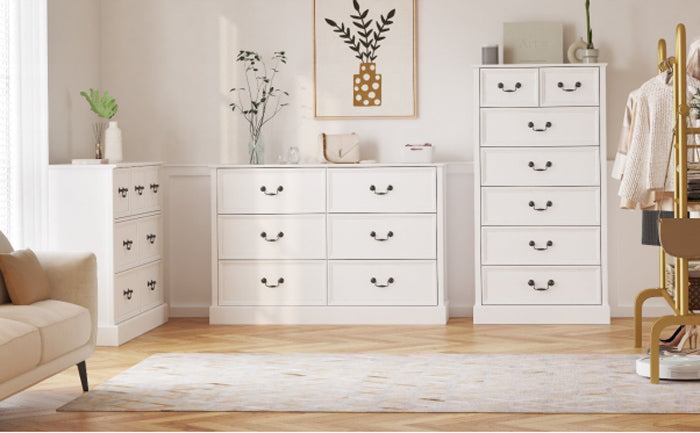
A pantry cabinet can provide storage for less frequently used kitchen equipment and ingredients. If your kitchen does not have much built-in storage, a freestanding pantry-style unit can give those items a dedicated place without taking up your main prep surface.
Sideboard or Open Shelving
A sideboard can hold dishes, serving pieces, small appliances, or other items that tend to crowd the kitchen. Open shelving can also work for items you use regularly and want to keep within convenient reach.
Add a Flexible Work Surface When Reclaiming Space Is Not Enough
Sometimes clearing and reorganizing the existing counter still does not create enough room to work comfortably.
If you have put away appliances, cleared clutter, and moved storage elsewhere but still find yourself chopping vegetables on a tiny patch of counter next to the sink, you may genuinely need another work surface.
You do not have to squeeze a full-size island into the middle of the kitchen. In a space where floor area is limited, a flexible work surface may be more practical than a permanent setup. The right choice depends on how often you need the extra surface, how much room you have, and whether you also need storage.
Kitchen Cart
A kitchen cart may work well for households that need extra prep space regularly but do not want a permanent fixture. Many models combine a work surface with shelves or drawers for additional storage.
Many rolling kitchen carts include casters, making them easier to reposition when needed. Before choosing one, make sure the cart can move and park without blocking cabinets, appliances, or your main traffic path.
Rolling Kitchen Island
A rolling kitchen island may suit you if you want a more substantial work surface that can also serve as a dedicated prep station.
Like a rolling cart, it can remain parked in one place most of the time and be moved when you need access to another part of the room, depending on the model and your kitchen layout.
Drop-Leaf Unit
If floor space is tight, a drop-leaf unit can provide extra surface area when you need it and fold back down afterward. The expandable worktop can be opened during meal preparation and reduced again when the extra surface is no longer needed.
This type of setup may be especially useful in a narrow kitchen where a permanently expanded piece would get in the way. It may also make sense if you need additional prep space occasionally rather than constantly.
Compact Prep Table
A compact prep table is a straightforward option when you need a dedicated work surface regularly but do not need extra drawers, shelves, or enclosed storage. It can provide a defined place for chopping, mixing, and assembling meals without adding the bulk of a larger island.
Instead of asking, "Which piece should I buy?" focus on the problem you are trying to solve. A cart may suit someone who needs mobility and storage, while a drop-leaf unit may make more sense when floor space is the biggest limitation. If you need a regular, stable worktop, a rolling island or compact prep table may be more appropriate.
Make Sure the New Prep Surface Does Not Create a New Space Problem
Finding room for an extra work surface is only part of the job. The new piece also has to fit without making the kitchen harder to use.
A kitchen cart might give you plenty of extra prep space, but if it blocks the refrigerator every time you position it near the counter, it may create more frustration than it solves.
Look beyond the size of the worktop and consider the full footprint. Ask where the piece will sit while you cook, whether nearby cabinets and drawers can still open, and whether people can move through the kitchen without constantly squeezing past or bumping into it.
- Check the Footprint - Make sure the new piece fits without blocking cabinets, drawers, the refrigerator, sink, or cooking area. Mark its approximate footprint on the floor and walk around it before buying.
- Consider Movement and Access - Make sure there is enough room to move a cart or rolling island when you need access to other parts of the kitchen. A piece that makes movement awkward defeats the purpose, even if it adds counter space.
- Prioritize Stability and Easy Cleaning - Choose a surface that feels stable for the prep tasks you plan to do and is easy to clean. Extra prep space is only useful if it is practical to use and maintain.
Turn the Extra Surface Into a Functional Prep Zone
An additional work surface in an overcrowded or narrow kitchen can easily become another place to stack groceries, appliances, and containers. Give the surface a clear purpose from the start.
Keep Frequently Used Prep Tools Close
Frequently used prep tools and ingredients are usually most useful when they are safely stored within convenient reach. That may include cutting boards, knives, mixing bowls, measuring cups, and frequently used ingredients. This does not mean everything needs to sit on the worktop. A cart with shelves can keep bowls and cooking supplies nearby while leaving the top clear for food preparation.
Separate Prep From Storage
Keep the main work surface primarily available for food preparation rather than long-term storage. If something is used only occasionally, it probably does not need to occupy valuable prep space all day.
Make It Easy to Reset
A useful flexible workspace should be easy to clear and return to its original purpose after cooking. Put ingredients away, return dishes and tools to their usual locations, and leave the worktop ready for the next meal.
Match the Solution to Your Kitchen's Actual Constraint
There is no single solution for every small kitchen. The right approach depends on what is actually taking up your counter space and how often you need more room. Use the table below to match the biggest constraint with the simplest practical response instead of adding furniture you may not need or use.
| Your situation | Most practical approach |
|---|---|
| Counter space is mostly cluttered | Reclaim and relocate items |
| Appliances take up most of the counter | Move them to a rack, shelf, or other storage surface |
| You need storage more than prep space | Consider a pantry cabinet, sideboard, or baker's rack |
| You only need extra space occasionally | Try a drop-leaf or movable surface |
| You regularly run out of prep space | Consider a kitchen cart, rolling kitchen island, or prep table |
| Your kitchen is extremely narrow | Prioritize reclaiming the counter you already have |
| You need both storage and workspace | Look for a cart or multifunctional work surface |
Put Your New Prep Space to the Test
Even a well-planned prep area can fall short in daily use. A short checklist can help confirm that the setup is genuinely useful before you consider the job finished.
- Have enough usable prep space: Is there a clear surface where you can comfortably chop, mix, and assemble meals?
- Check what surrounds it: Can you access nearby cabinets, drawers, the refrigerator, and sink without obstruction?
- Choose additional furniture only if needed: If your existing counter still is not enough, does the added surface fit your actual space and usage, or would it go unused?
- Keep the setup practical: Are your frequently used meal-prep tools accessible without turning the new surface into another storage area?
- Make it easy to reset: Can you clear and clean the surface easily after cooking?
Meal preparation can quickly become frustrating when you have every ingredient and appliance you need except a clear place to put them. The cutting board ends up in the only open corner, a mixing bowl sits beside the sink, and the coffee maker occupies part of the counter all day.
A small kitchen is not necessarily the problem; what matters is how you organize the available space around the way you actually prepare food. Choose a setup that works with your habits instead of trying to make the room behave like a larger kitchen. The next time you have to clear a patch of counter just to chop an onion, take it as a sign that your kitchen needs better prep space, not necessarily a bigger one.