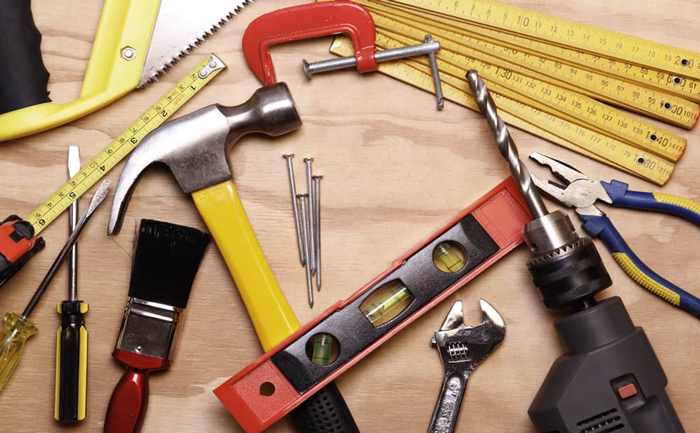
Power Tools Buying Guide
Power Tools covers product groups including Power Tool Parts & Accessories. Start with the product type that matches the job, then compare model-level ratings, dimensions, fit, and package contents. Broader alternatives remain available in Power & Hand Tools.
Key Factors for Choosing Power Tools
- Exercise and user level: Compare exercise and user level on a like-for-like basis and confirm any limit or compatibility note on the individual listing.
- User fit and adjustment range: Record the minimum acceptable user fit and adjustment range for the task and verify it against the complete item specification.
- Resistance, height, or load progression: Define the required resistance, height, or load progression before comparing models; verify the same point in each product's specifications.
- Footprint, stability, and inspection: Shortlist by footprint, stability, and inspection, then confirm the exact specification, included components, and stated limits before checkout.
Power Tools Fit, Setup, and Care
Match the equipment to the user and exercise, allow a clear training area, assemble and stabilize it as directed, and inspect contact surfaces, fasteners, cables, padding, and wear points before use.
Before ordering, check the access route, installation area, service clearance, and package contents that matter for this Power Tools purchase.
Frequently Asked Questions
Which Power Tools product type should I choose?
Start with the task or equipment type, then open Power Tool Parts & Accessories as appropriate. Choose the product family first and the configuration second.
What should I compare after choosing a Power Tools category?
Within the narrower group, compare exercise and user level, user fit and adjustment range, resistance, height, or load progression, and footprint, stability, and inspection. Use the individual product pages to verify the final values.
How does resistance, height, or load progression affect a Power Tools purchase?
Establish the required resistance, height, or load progression from the intended task, site, equipment, or user, then verify that requirement in the selected model's specifications. Metal Lathe 7''x 12'' Mini Metal Lathe 0-2500 RPM Variable is one product-level reference.
Which Power Tools details relate to user fit and adjustment range?
Compare exercise and user level, user fit and adjustment range, resistance, height, or load progression, and footprint, stability, and inspection. The Power Tools examples on this page list options including Color, Style, and Size.
What should I review in a Power Tools package list?
Check the Power Tools package contents against the selected size, style, or configuration. Metal Lathe 7''x 14'' Mini Metal Lathe 0-2500 RPM Variable provides another item-level example.
What setup guidance applies to Power Tools?
Match the equipment to the user and exercise, allow a clear training area, assemble and stabilize it as directed, and inspect contact surfaces, fasteners, cables, padding, and wear points before use. Confirm the final Power Tools procedure in the selected product instructions.