Recessed Vs. Wall-Mounted Electric Fireplace: Installation, Space Needs, Pros & Cons
Recessed Vs. Wall-Mounted Electric Fireplaces: Which Wins for Your Home?
There’s nothing like the quaint charm of a crackling, brick fireplace on a cold winter night. But, for better efficiency, you can always opt for an electric fireplace, which blends seamlessly with your modern décor. Moreover, it retains the warmth and ambience that other fireplaces give you, while creating a contemporary look living area. But before you invest in a electric fireplace, you face a crucial decision: should you choose a recessed electric fireplace built into your wall, or opt for a simpler wall-mounted electric fireplace that hangs on the surface?
As a bio you have to decide on two important factors that is installation style and space requirements. This is important because you need to ensure that you spend your time wisely as well as budget properly. Be it a small electric fireplace or a large electric fireplace should fit the room’s layout, align with your lifestyle and not interfere with your long-term plans. People often prefer a wall mounted electric fireplace which is straightforward and hangs on your wall like artwork you just have to plug it in and enjoy the warmth in contrast to this a recessed fireplace requires more investment as you need to build a framed cavity into your wall and once you do that you can never go back. Each of these have their own advantages and can blend well depending on the different home styles and situations.
This video is sourced from Youtube@GARVEE
This guide will help you understand the key differences between different types of modern electric fireplaces. It provides practical information so that you can decide confidently on which type of electrical fireplace works best for you and your family.
Table of Contents
•Understanding Recessed Vs. Wall-Mounted Electric Fireplaces
•Installation Complexity and Requirements
•Space Needs and Wall Depth
•Electrical Needs and Wiring: Recessed Vs. Wall-Mounted
•Pros and Cons of Recessed and Wall-Mounted Electric Fireplace
•Safety, Heat Output, and Visual Impact
Understanding Recessed Vs. Wall-Mounted Electric Fireplaces
Before you buy an electric fireplace, you need to understand that installation style shapes every aspect of your purchasing decision. The best electric fireplaces are the ones that suit your requirements, so here’s a description of each type.
What Is a Recessed Electric Fireplace?
A recessed electric fireplace, is known also as a built - in electric fireplace or a flush mount electric fireplace. It is designed in a way so that it fits into a specially framed cavity built into your wall. The firebox sits flush with or slightly recessed from the wall surface, creating a seamless, integrated look. The best thing is that it can be plugged into your homes electrical system but it does require wall modification and construction work. It is quite common to pair this with TV installations in media walls. If you are a homeowner planning long-term stays or major innovations then the recessed electric fireplace.
What Is a Wall-Mounted Electric Fireplace?
Unlike the racist electric fireplace, a wall-mounted electric fireplace hangs directly on your existing wall surface, projecting outward typically 4-6 inches. You do not need to modify your wall build any frames or cavities to accommodate this fireplace you just need mounting hardware and a nearby electrical outlets. In case of renovations or changes you can remove it and relocate it. This type of fireplace is ideal for rental properties and temporary installations and also works well with tv stands and media consoles.
Quick Comparison: Recessed Vs. Wall-Mounted
Here’s a quick comparison between the two types of electric fireplaces that will give you more clarity.
Aspect
Recessed Electric Fireplace
Wall-Mounted Electric Fireplace
Installation Complexity
Moderate to advanced (construction needed)
Simple (mount and plug in)
Wall Modification Required
Yes (needs framing cavity)
No (easy surface mounting only)
Wall Projection
Flush or slightly recessed (0–2 inches)
Protruding (4–6 inches)
Visual Impact
Integrated, clean, architectural
Modern, bold, space-conscious
Installation Time
4–16+ hours (including drying/finishing)
20 minutes -to an hour
DIY Difficulty
High (framing and electrical work)
Very low (basic tools only)
Tools Required
Drill, level, stud finder, saw, drywall tools
Drill, level, stud finder
Renter-Friendly
No (permanent modification)
Yes (no wall damage)
Flexibility
Permanent location
Can be relocated
Cost Range
$500–$3,000+ (unit + installation labor)
$300–$2,000 (unit only)
Installation Complexity and Requirements
The major buying decision is affected by a key factor and that is installation. Here’s what you should know about installing each type of electric fireplace including tools, times and expertise.
Recessed Electric Fireplace
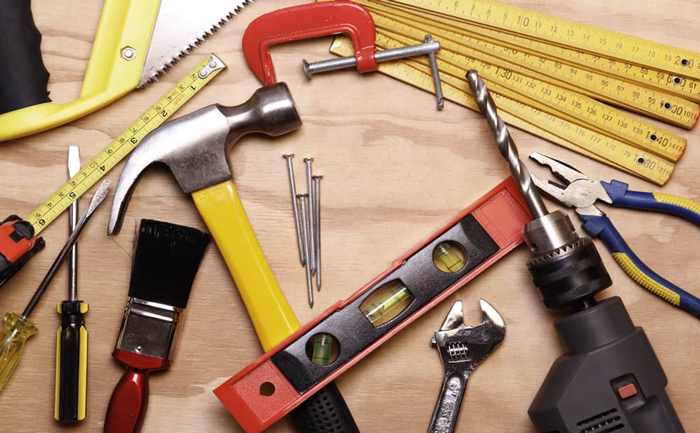
The recessed electric fireplace installation requirements are is and often they require professional assessment. The complexity can range anywhere between moderate to advanced. The time taken for a DIY project can range between 4-16 hours whereas a pro might finish it in 8-40 hours. You need more than basic tools and that includes, power drill, circular or reciprocating saw, 4-6 ft level, stud finder, drywall saw/jigsaw, tape measure, finishing tools such as joint compound, knives, safety gear, and most importantly a voltage tester.
Key Steps to follow:
Measure or mark the opening which should be 1–4 inches larger than unit.
Cut the opening and remove the debris.
Frame the cavity keeping the measurement of the studs at 2x4/2x6.
Wire the junction box and outlet as per the codes or hire an electrician.
Insert the unit and align it properly with the brackets.
Complete the drywall, compound, paint, and noncombustible trim.
Tip: Despite being very experienced in DIY projects, if you ever find a yourself stuck in a rut, especially regarding issues such as stud removal/notching, hardwiring, complex finishes (tile/stone), etc. get a professional.
Wall-Mounted Electric Fireplace
Unlike recessed electric fireplaces, wall mounted electric fireplace is much less complex. In fact, it is quite DIY friendly when you follow the exact instructions given in the manual. If you do it yourself you can finish it within 20–45 minutes. If you get a professional then at the cost of $150–300 You can get your wall mounted electric fireplace setup. You need the basic tools such as power drill, 2-4 ft level, stud finder, screwdriver, tape measure, and pencil. If you follow the wall mounted electric fireplace installation guide, you can get the best results.
Key Steps to follow:
Mark the location, maybe 40–42 inches from floor.
Make sure this is near the outlet.
Locate 2+ studs.
Drill or secure the mounting bracket or level it.
Hang the unit or slide it on depending on the model.
Plug into the outlet
conceal cord (no extensions).
Both types require manufacturer manuals, level checks, and code compliance. Always test the functions post installation. While wall mounted minimizes any major disruption recess offers a more seamless integration but does risk wall damage. So, unless you are a permanent resident go for wall mounted fireplaces. Some products like the Garvee 60 Inch Recessed and Wall Mounted Electric Fireplace, can be used in both ways.
Space Needs and Wall Depth
The next crucial stage to planning your fireplace requirements involves space needs. Choose the wrong electric fireplace and you will face clearance problems, operational difficulties, or aesthetic mismatch. Here’s how you can avoid all this.
How to Measure the Depth for Recessed Electric Fireplace?
Here’s how to measure recessed electric fireplace depth clearance.
Wall Cavity Depth: Recessed electric fireplaces need a framed cavity. To do this you have to cut into your wall based on the size of your chosen model. If you have a shallow model then 4-6 inches deep should suffice. For a standard model make a 6–10 inches depth and for a deeper model go as far as 10–12 inches deep.
Effect: Mostly, standard exterior or interior walls are framed with 2x4 studs, which are 3.5” thick on the inside. Counting the drywall (1/2–5/8”) on both sides brings the total wall thickness is about 4.5-5”. In case your recessed electric fireplace requires 8”of depth then you will need a 2x6 or 2x8 frame, or a standard 2x4 frame plus extension material or a metal stud system designed for deeper recesses.
Clearance: Most recessed electric fireplaces maintain cool exteriors and require minimal clearance. For the site clearance you don’t need major changes as the unit can sit flush to frame walls for the top clearance typically zero to 12 inches above the unit opening will do and for the bottom clearance again usually zero inches as it can sit at the flow level or on the hearth. For the front clearance however ensure that you have three feet of open space in front of the fireplace face.
How to Measure the Depth for Wall-Mounted Electric Fireplace?
Here’s how you measure wall mounted electric fireplace depth.
Wall Projection: The most obvious thing here is that ball mounted fireplaces project outward from the wall. Shallow models stay 4–5 inches from wall, standard models remain 5–8 inches from wall and larger models maintain 8–12 inches from wall.
Effects: Before mounting a wall mounted electric fireplace check your walkway clearance as there should be at least two to three feet in front of the unit for safe passage. If you keep your fireplace high on the wall ensure there is no ceiling obstruction. Any kind of upholstered furniture that may be at the risk of combustion should be kept at least three feet away and all sides. Keep at least 12 inches clear space on either side for airflow and aesthetics.
Clearance: Keep a minimum of eight to 12 inches to the ceiling or any overhead structure above the unit. Below the unit maintain at least 12 to 24 inches especially if you have mounted it above a furniture or a TV stand. The space in front should be at least three feet away for better heat circulation. At the back all you need is access to studs for the bracket otherwise you are good to go.
Planning Your Space for Different Rooms
If you want to make the best use of your recessed electric fireplace or wall mounted electric fireplace then plan your space based on the room you want to keep them in. GARVEE offers a dual-function fireplace called the Garvee Recessed and Wall Mounted Electric Fireplace Insert, that can be used for any kind of space. For more clarity here’s what you can do.
Room Type
Challenges/Considerations
Recommendation
Apartment
Limited wall space. Shared plumbing/electrical lines are risky. Height is not enough and low soffits.
Wall-mounted electric fireplaces are better.
Can be 40–60 inches high.
Can be placed above TV stands.
No modifications.
Living Room
Wall dimensions measuring 12–16 feet. Standard stud framing required. Ceiling difference is about 8-9 feet. TV integration can be below/beside.
Both recessed and wall-mounted can be used.
Bedroom
Reduced wall space due to closet, windows. Heat sensitivity near bed. Seasonal use. Poor outlet locations.
Wall-mounted preferred.
Place above the dresser, and away from bed.
Portable heat make sit convenient.
Media Wall
Mount it 12–18 inches below TV center. Deeper framing needed for TV/fireplace. Cable management. Symmetry with TV.
Recessed preferred for cleaner look
Wall-mounted is manageable but may have to be used more.
Room Size and Heat Reach
Some of the best wall mounted electric fireplace for apartments offered by GARVEE can properly heat the room to your liking. For instance, the Garvee 50" Electric Fireplace, can comfortably heat your bedroom. Here is a breakdown of how you can assess the heat reach of your fireplace.
Aspect
Details
Small rooms (100–150 sq. ft, e.g., bedrooms)
Any electric fireplace can be installed.
The heat easily covers space.
Medium rooms (200–400 sq. ft, typical living rooms)
The standard 4,000–5,000 BTU units are more effective.
Large rooms (400+ sq. ft)
Higher-output (5,000–9,000 BTUs) or multiple units can be used.
Open floor plans
Since heat disperses check for supplemental heating
Focus on placement or insulation
Electrical Needs and Wiring: Recessed Vs. Wall-Mounted
The key thing about installing any kind of electric fireplace is to prioritize safety and more importantly code compliance. Typically, you have to go by the dedicated 15–20A 120V circuit, GFCI/permits/inspections and get licensed electricians for hardwiring. Always use labeled breakers. Both types use approximately identical power which is between 40–100W for flame only and 750–1,500W with the heat on. This usage will cost you anywhere between $0.10–$0.25/hour or $20–$45/month if you consider 4 hours/day in the winter.
Pros and Cons of Recessed and Wall-Mounted Electric Fireplace
It is always better to measure the pros and cons of both types before making an investment. After all the best electric fireplace is one that warms your home without incidents.
Recessed electric fireplace: Recessed fireplaces offer seamless, built-in aesthetics with customization besides other things. Here’s how you can decide whether it fits in with your home.
Aspect
Pros
Cons
Aesthetics
Flush/built-in look; customizable surrounds (stone/tile); media wall integration
Permanent; less flexible for decor changes
Installation
Permanent confidence
Complex framing/wiring
Pro needed
8-40+ hours
Cost
Adds home value
High cost starting from $1,200-$6,000+ including labor/materials
Flexibility
Focal point in small rooms
Non-removable
Poses structural risks
Best For
Owned homes, renovations, 5+ year stays
Rentals, movers, budgets
Wall-mounted electric fireplace: They are easier to install and cost lesser. Some of the wall mounted electric fireplace pros and cons are mentioned here.
Aspect
Pros
Cons
Aesthetics
Sleek or modern
Works well with TV stands
Projects 4–8"
Looks added-on
Limited customization options
Installation
Less installation time at 20–45 min
No wall modifications
Cord may be visible
Cost
Low cost between 300-$2,300
Lower resale value
Flexibility
Renter-friendly
Relocatable
Occupies space
Heat less directed
Best For
Apartments, quick upgrades, experiments
Tight spaces, formal designs
Safety, Heat Output, and Visual Impact
Safety: When comparing safety standards recessed fireplaces are equipped with a cool firebox, no projections, and are installed with code compliance. Just use non-flammables as per the guidelines and verify ventilation. Wall-mounted is very safe with cool casing, and no sharp edges. Since, it is mounted high your kids and pets are safe. Just keep away the curtains and secure the cords.
Heat Output Comparison: Considering this, they both perform identically. Here’s a comparison.
Type
Heat Output (BTUs)
Best Use
Electric (both)
4,000–5,000
Zone/supplemental, ambiance
Gas
10,000–60,000
Primary, larger spaces
Wood
20,000–40,000
Primary, ambiance (60% loss)
Flame Realism and Visual Impact: In terms of appearances both deliver well.
Feature
Wall-Mounted
Recessed
Flame Realism
High (LED)
High (LED)
Visual Depth
Good
Better (wall integration)
Surround Integration
Limited
Excellent
Overall Aesthetic
Good
Excellent
Both recessed electric fireplaces and wall-mounted electric fireplaces are valuable products. The first offers, integration, aesthetics, and long-term investment value. The second gives you speed, cost-effectiveness, and flexibility. When you answer important questions like rentals, budget, appearance and speed your decision becomes clear. As long as you choose wisely, install safely and create a comfortable home you can use either of them for years to come.